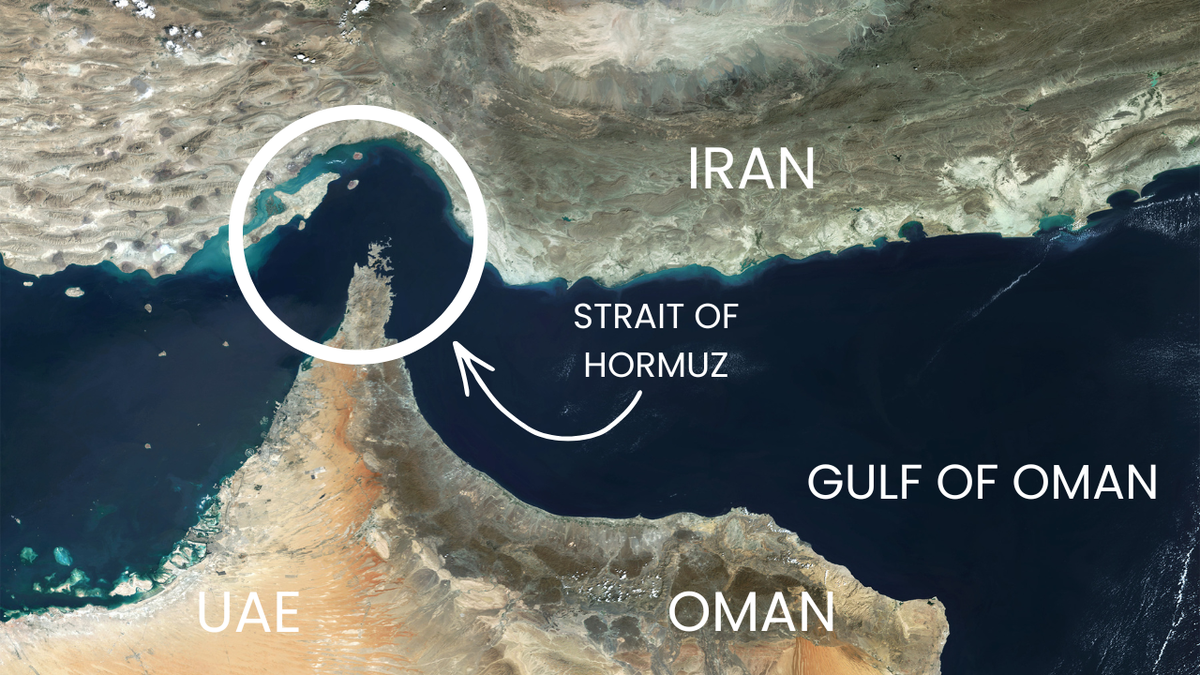
The strategic Strait of Hormuz, one of the world’s most critical maritime oil routes, is effectively under blockade as of March 17, 2026, following escalating Iranian drone and missile threats targeting ships in the region.
The growing security risks have disrupted commercial shipping and caused global oil prices to surge, raising concerns about energy security and international trade.
Amid the crisis, US President Donald Trump has urged NATO members and Asian allies to assist in reopening the vital shipping lane. However, several European countries have resisted the proposal. According to reports by The Guardian, many European governments, including Germany, argue that the conflict does not fall under NATO’s direct responsibility and have shown little interest in expanding their naval presence in the region.
Despite the tensions, a small number of vessels have reportedly been allowed to pass through the strait under Iranian supervision. One such tanker, the Karachi, was reportedly permitted to transit the waterway.
The broader regional conflict continues to intensify. According to reports, Saudi Arabia intercepted 21 drones in its Eastern Province, while attacks targeting energy infrastructure across the region have continued.
Meanwhile, several countries are attempting to secure safe maritime routes for their shipments. India, for example, is currently negotiating with regional authorities to ensure safe passage for tankers carrying essential cooking fuel supplies.
The Strait of Hormuz is a crucial chokepoint for global energy supplies, with a significant portion of the world’s oil shipments passing through the narrow waterway each day. Ongoing threats to shipping and energy infrastructure have heightened fears of further disruption to global energy markets.
Analysts warn that the situation remains highly volatile, as Iranian-backed forces continue to target shipping routes and oil facilities across the region. The crisis has raised serious concerns about global energy security and the stability of international trade routes.


Comments (0)
No comments yet. Be the first to comment!