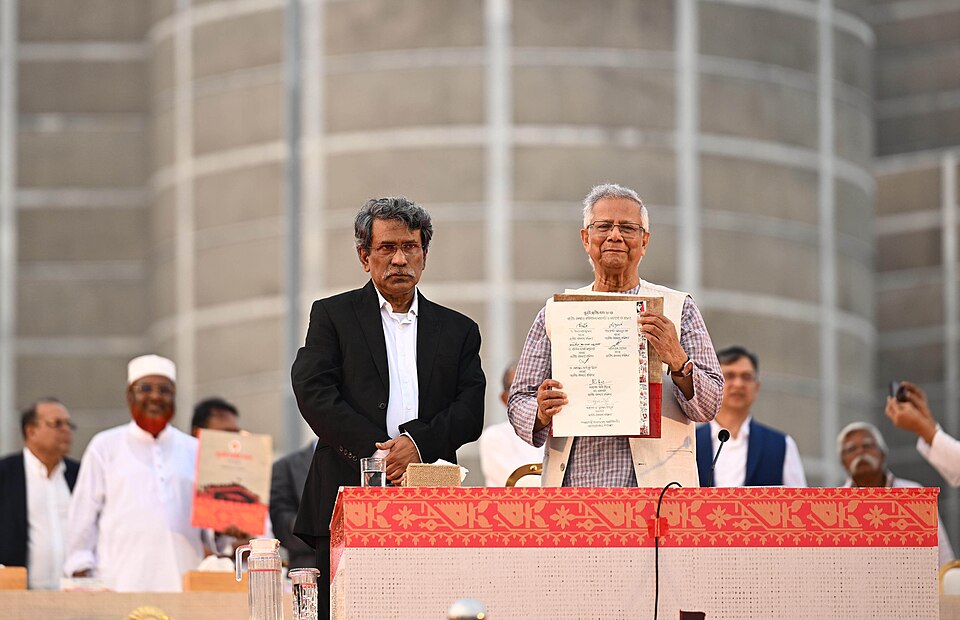
Political tensions are increasing in Bangladesh following a dispute over the formation and role of a proposed Constitutional Reform Council, a key part of the country’s ongoing political transition after the 2026 election.
The issue has sparked debate within the newly formed parliament, with lawmakers divided over whether members of parliament should simultaneously serve on the reform council responsible for drafting constitutional changes.
Opposition leaders have strongly reacted to the situation. Jamaat-e-Islami Ameer Shafiqur Rahman warned that the matter must be resolved within parliament, otherwise political parties may take to the streets in protest.
The dispute comes at a critical time, as Bangladesh is undergoing a major political transformation following the 2026 general election, which brought a new government to power after years of political unrest and reform demands.
The newly elected parliament has already begun its session, but the reform process has encountered early challenges, raising concerns about delays in implementing promised constitutional changes.
Political analysts say the outcome of this dispute will play a crucial role in shaping the country’s democratic future. The reform council is expected to address key governance issues, including balance of power, accountability, and institutional reforms.
As tensions grow, citizens and observers are closely watching whether the government and opposition can reach a consensus or if the situation will escalate into broader political unrest.




Comments (0)
No comments yet. Be the first to comment!