Full News Body
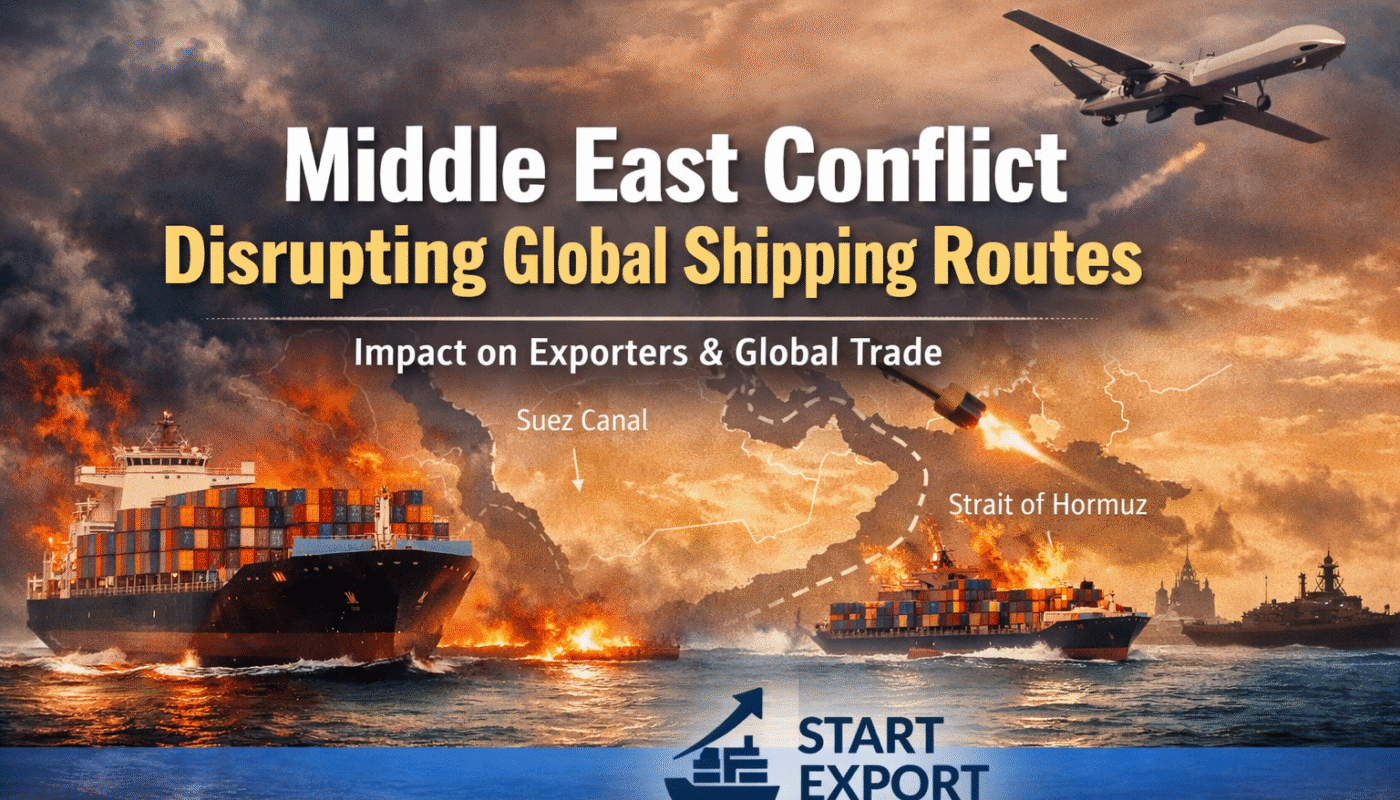
The global shipping industry is facing a major crisis as escalating tensions in the Middle East continue to disrupt critical maritime routes, particularly the Strait of Hormuz, one of the world’s busiest oil shipping lanes.
Shipping Disruptions and Rising Risks
Shipping operations in the Gulf region have been severely affected, with thousands of vessels facing delays or rerouting. The International Maritime Organization (IMO) has called for a safe corridor to evacuate nearly 20,000 seafarers stranded on ships due to escalating security threats.
Recent attacks and threats have created a dangerous environment for commercial vessels, with reports of multiple incidents and casualties among crew members.
Insurance Costs Surge
In response to rising risks, global insurers are stepping in to support the shipping industry. Insurance giant Chubb has introduced new war-risk coverage for vessels operating in the Gulf, covering hull, cargo, and liability risks.
However, insurance premiums have surged sharply, with some war-risk coverage rising from less than 1% to as high as 7.5% of a ship’s value, significantly increasing operational costs.
Shipping Market Turns Volatile
Industry analysts describe the current situation as a “wild west” scenario for shipping, with freight rates increasing dramatically and routes being unpredictably altered.
Some shipping routes have seen costs rise up to four times, as vessels are forced to avoid high-risk zones or wait for safer passage.
Geopolitical Impact on Trade
Global leaders are increasingly concerned about the disruption of maritime trade. India has urged the importance of keeping shipping lanes open, especially as energy supply chains come under threat.
The crisis is also affecting critical supply chains such as fertilizers and energy imports, particularly in Asia.
Security Actions at Sea
Meanwhile, maritime security operations have intensified. The French Navy recently intercepted a tanker suspected of being part of a sanctioned “shadow fleet,” highlighting growing enforcement actions in global waters.
Conclusion
With rising geopolitical tensions, increased costs, and disrupted trade routes, the global shipping industry is entering a period of high uncertainty and volatility. Experts warn that unless the situation stabilizes, the impact on global trade, energy markets, and supply chains could worsen in the coming months.


Comments (0)
No comments yet. Be the first to comment!