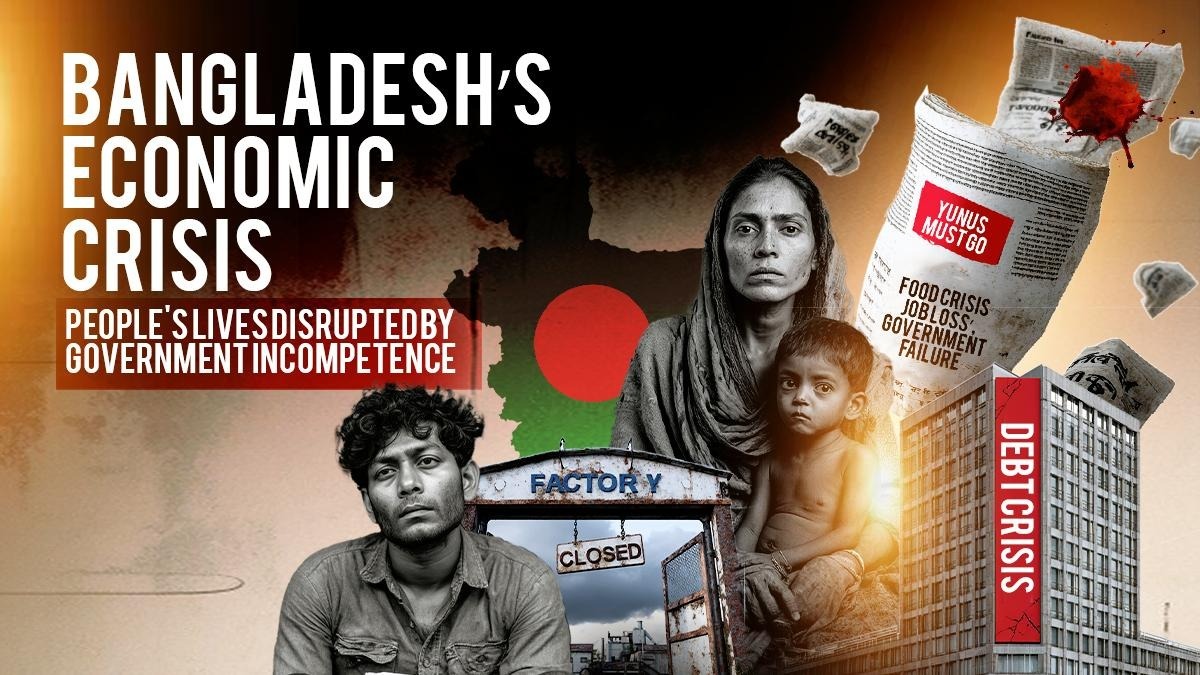
Bangladesh’s financial sector is currently facing significant challenges as rising inflation, a persistent US dollar shortage, and increasing import costs put pressure on the economy.
According to officials from Bangladesh Bank, efforts are underway to stabilize the foreign exchange market and control inflation through monetary policy adjustments.
The ongoing dollar crisis has made it difficult for businesses to open letters of credit (LCs) for imports, affecting industries that rely heavily on foreign raw materials. Import restrictions and higher exchange rates have also contributed to increased costs across multiple sectors.
Meanwhile, inflation continues to remain a major concern for consumers. Prices of essential commodities have risen, impacting household expenses and reducing purchasing power.
Financial experts suggest that improving remittance inflows and boosting export earnings will be key to easing the pressure on the country’s foreign currency reserves. The government has already introduced incentives to encourage expatriates to send more remittances through formal banking channels.
In addition, policymakers are focusing on strengthening the banking sector and ensuring better financial governance to maintain economic stability.
Despite the challenges, economists remain cautiously optimistic, stating that with timely reforms and global market stabilization, Bangladesh can gradually overcome its current financial pressures.


Comments (0)
No comments yet. Be the first to comment!